Three Shopify Apps That Enterprise, High-SKU Stores, Need From Day One.
Managing and optimizing tens of thousands of SKUs while while maintaining agility is hard “af” as they say. We manage high-SKU stores mostly on Shopify these days — and we do it with the help of these three app. These apps allow merchants to bulk optimize your Google shopping feeds, optimize shipping options, and the ability to edit just about any product or subset in bulk.
Google Shopping Feed by Simprosys InfoMedia
Integrating your Shopify store with Google Merchant Center is a critical channel to optimize for sales. Having a properly optimized Google Shopping Feed makes your ad spend efficient. This app offers some one-of-a-kind features like being able to bulk set Custom Labels or Google Product Categories.
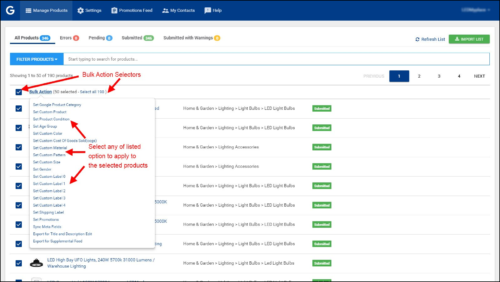
Google Shopping Feed by Simprosys InfoMedia
Bespoke Shipping by MZL Solutions
Shopify has great shipping functionality until you want to start mixing and matching calculated rates with weight-based rates — then throw in conditional rules and free shipping and you quickly find yourself searching for a tool… This tool allows you to build a decision tree based on rules you define to show what shipping options you want to show. This app is very powerful and MZL Solutions provides awesome support. There really is no more powerful way to handle all the shipping scenarios tens of thousands of SKUs from multiple suppliers bring to your desk to manage.
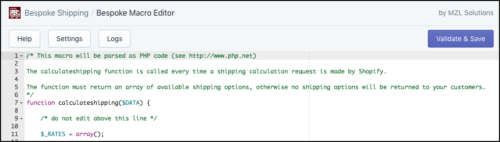
Bespoke Shipping by MZL Solutions
Bulk Product Edit by Hextom
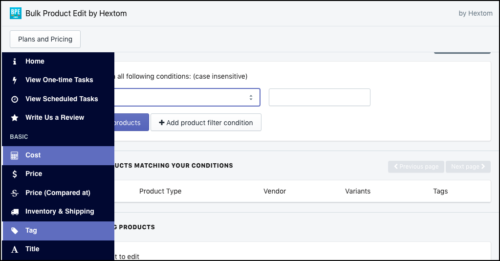
Bulk Product Edit is Walnut St Labs’ go-to tool for making bulk changes to products in Shopify. Need to tag 4K SKUs with a vendor name? Done. Need to add disclaimer to the bottom of every product or just a sub set? Done. Need to changes prices on a vendor by a percentage? Done. This app provides so much utility and value that managing a store without it would be truly daunting, because 50K of anything is not fast.
We believe these apps make managing a high-SKU Shopify store easy — so you can stay focused on sales! If you need help or want to talk through one of your problems, let us know.

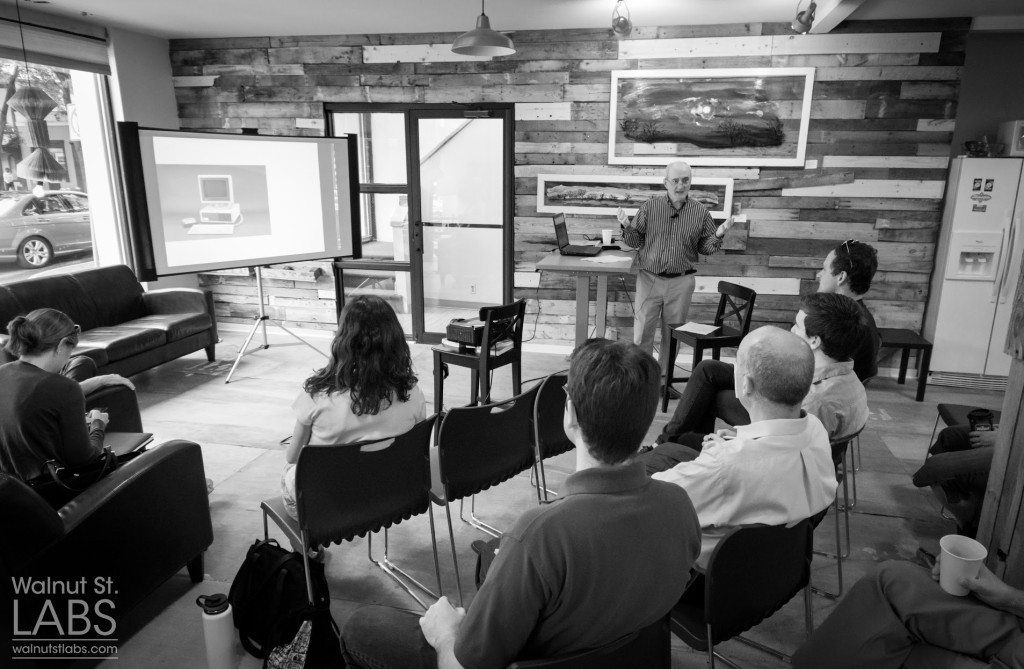 Multimedia Robert’s first big invention was a linear video program called V_GRAPH that allowed for video sharing between computers. It was the early 1980s, and “People were used to computers connecting to each other using text, not video,” says Robert. He took the prototype to a friend, setting up the TV monitor that displayed video housed on a computer, and stood back so his friend could see it. “He didn’t get it. He was convinced there was a VCR attached to the TV. He couldn’t comprehend what he was seeing.” Robert then showed it to an investor, telling him, “You’re going to have multimedia on every desktop in 5 years. He told me I was crazy. But that was the same person who turned down Steve Jobs so I don’t feel so bad.” Robert and his partner struck a deal for V_GRAPH to be bundled as a part of a software package for creatives from a company called Tempra Media. But through a series of missteps, Robert lost out on the financial windfall from his invention when the company became the subject of several patent disputes in the late 1990s.
  The Web His next project was an object-oriented platform called Ozone. “It allowed multimedia components to be displayed in one view. It could run over the web.” Most significantly, the package included a web browser. Robert and his partner took it to Microsoft. “It was responsible for them getting the AOL contract instead of Netscape.” But Robert and his partner, on their shoestring development budget, hadn’t navigated the patent and copyright implications. Once again, they lost out on the big time to a company with far greater resources. A similar fate befell an early calendar product they designed.
  On Doing Other Things Frustrated, Robert changed gears and wrote a book (working title: Inside the Revolution: The Story of Robert Morris). It’s about Robert’s namesake, who in addition to signing the Declaration of Independence, the Articles of Confederation, and the United States Constitution, also served as Superintendent of Finance from 1781 to 1784.
  On the Future, and “Working for the Man” Robert considers himself unsuited to be an employee. “I have to put my heart and soul into things. I’m too weird to get a job. I’m just a basic guy who comes up with something he thinks is a good idea.” His next big idea? Robots. “Not a creepy plastic person or a squeezy cat, though. It will be simple and useful like everything else I’ve made.” Stay tuned.